
Creating a productive home office environment is essential for anyone working from home. Whether you are a freelancer, remote employee, or running a small business, your workspace can have a big impact on your efficiency and well-being. This guide will walk you through key tips to set up a home office that supports focus, comfort, and creativity.
Choose the Right Location
Selecting the right spot for your home office is the first step toward productivity.
– Quiet and Low Distraction: Aim for a space away from high-traffic areas in your home. This reduces interruptions from family members or household noises.
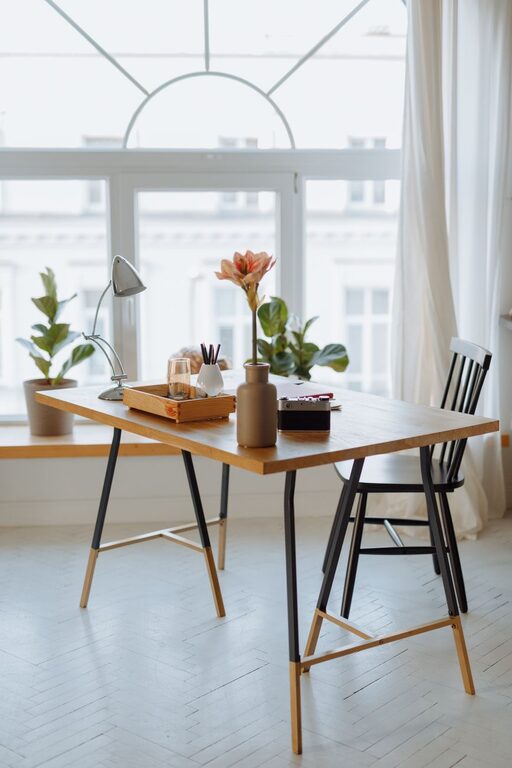
– Natural Light: A spot near a window helps improve mood and alertness. If natural light is limited, invest in quality lighting that mimics daylight.
– Separate Space: If possible, use a dedicated room or corner just for work. This helps your brain associate the area with productivity.
Invest in Ergonomic Furniture
Comfort is crucial when spending long hours at work. Ergonomic furniture prevents strain and fatigue.
– Quality Chair: Choose a chair with adjustable height, lumbar support, and comfortable padding.
– Desk Height: Your desk should allow your arms to rest comfortably at a 90-degree angle.
– Monitor Placement: Position your monitor at eye level to avoid neck strain.
Organize Your Workspace
A clutter-free environment boosts focus and efficiency.
– Declutter Daily: Spend a few minutes at the end of each day tidying your desk.
– Storage Solutions: Use shelves, drawers, or filing cabinets to keep documents and supplies out of sight.
– Minimalist Setup: Keep only essential items on your desk to reduce visual distractions.
Manage Technology Efficiently
Tech tools are vital but can also cause interruptions.
– Reliable Internet: Ensure you have a strong internet connection to avoid downtime.
– Cable Management: Use clips or sleeves to keep wires organized and out of your way.
– Tech Tools: Use productivity apps, noise-canceling headphones, or dual monitors to enhance your work process.
Establish a Routine
Consistency helps your brain switch into work mode more easily.
– Set Regular Hours: Define your start and finish times, and try to stick to them.
– Break Schedule: Plan short breaks to stretch or rest your eyes every hour.
– Morning Ritual: Create a pre-work ritual, like a cup of coffee or reading, to prepare mentally for the day.
Personalize Your Space
Adding personal touches can improve motivation and comfort.
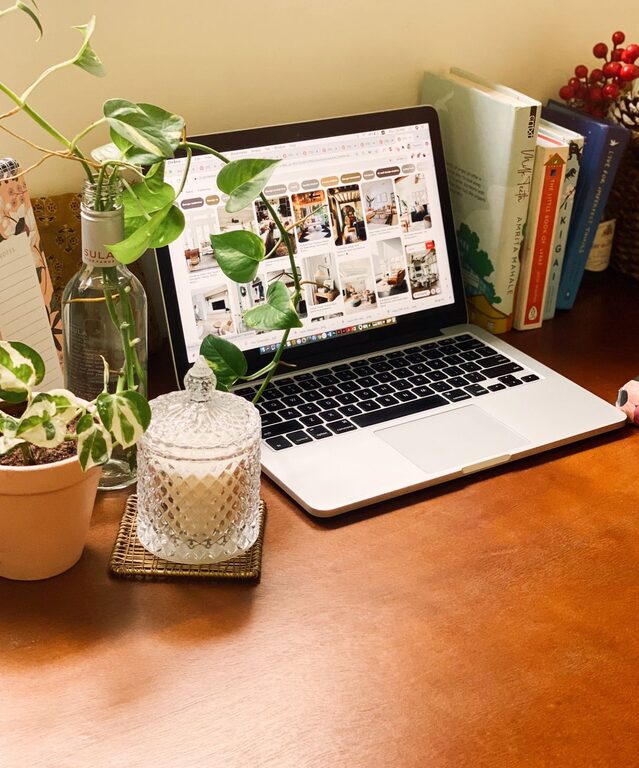
– Plants: Indoor plants improve air quality and add color to your workspace.
– Artwork or Photos: Visual elements you enjoy can make your office welcoming.
– Scent and Sound: Consider subtle scents like lavender and background music or white noise to create a pleasant atmosphere.
Minimize Distractions
Keep distractions under control to maintain focus.
– Turn Off Notifications: Silence non-urgent notifications on your phone and computer.
– Limit Social Media: Use apps that block social platforms during working hours.
– Set Boundaries: Communicate with household members about your work schedule and the importance of minimizing interruptions.
Prioritize Good Lighting
Proper lighting reduces eye strain and fatigue.
– Natural Light: Use curtains or blinds to control glare.
– Task Lighting: Use desk lamps focused on your work area.
– Ambient Lighting: Balance the room’s lighting to avoid harsh contrasts.
Maintain Good Air Quality and Comfort
Your physical environment influences productivity.
– Ventilation: Open windows regularly or use an air purifier.
– Temperature Control: Keep the room at a comfortable temperature.
– Comfort Items: Consider a fan or heater if needed to maintain comfort.
Encourage Movement
Sitting for long periods can affect health and focus.
– Standing Desk: Consider a convertible desk that lets you alternate between sitting and standing.
– Stretch Breaks: Incorporate short stretches or quick exercises into your day.
– Walks: Take a brief walk outside during breaks to refresh your mind.
Conclusion
Setting up a productive home office requires thoughtful planning but pays off with improved focus, comfort, and work-life balance. By choosing the right location, investing in ergonomics, organizing your space, and establishing routines, you can create an environment where you can do your best work every day. Remember, a workspace that feels good to you will naturally inspire more productivity and satisfaction.
About the Author