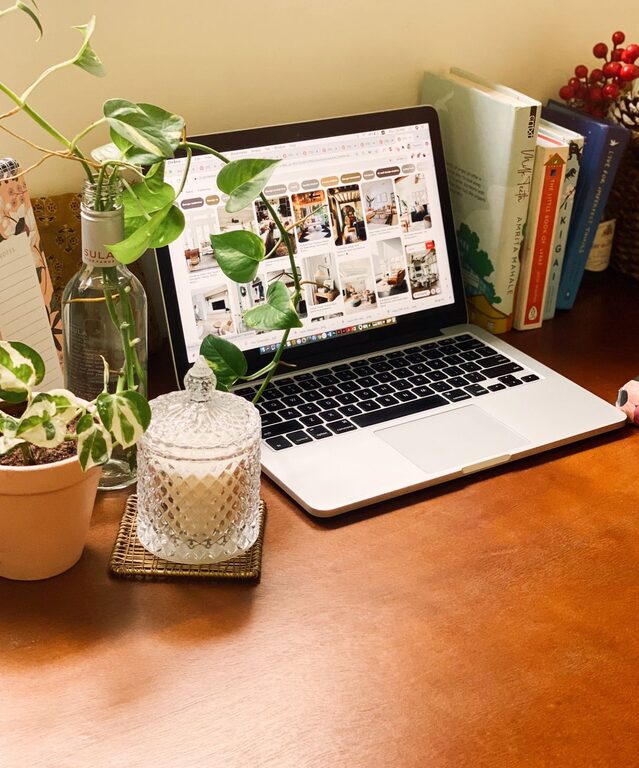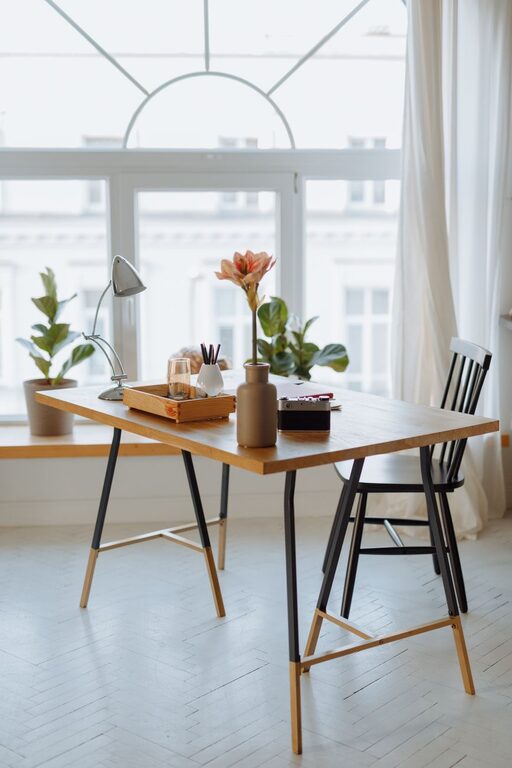

Creating a relaxing home office environment is essential for anyone who spends significant time working from home. A calm and comfortable workspace not only helps reduce stress but also improves focus and productivity. If your current setup feels cluttered, distracting, or uninspiring, there are plenty of easy changes you can make to transform your home office into a peaceful haven.
Why a Relaxing Home Office Matters
Your home office isn’t just a place to get work done; it can influence your mood and energy levels throughout the day. When your workspace feels overwhelming or cramped, it’s harder to concentrate and stay motivated. On the other hand, a soothing environment promotes creativity, reduces anxiety, and encourages a healthy work-life balance.
Tips for Designing a Calming Workspace
1. Choose a Quiet Spot
Start by selecting a location in your home that minimizes noise and distractions. Ideally, this space should be away from high-traffic areas. If complete quiet isn’t possible, consider using noise-cancelling headphones or a white noise machine to mask background sounds.
2. Invest in Comfortable Furniture
Comfort is key to keeping your body relaxed during long work hours. Choose an ergonomic chair that supports your back and encourages good posture. A desk with enough surface space helps keep your essentials organized while allowing room to stretch and move.
3. Optimize Natural Light
Natural light has a positive impact on mood and alertness. Position your desk near a window if possible to make the most of daylight. Use light, sheer curtains to reduce glare while allowing sunlight to filter in softly. In darker spaces, add warm, adjustable lighting options to create a welcoming atmosphere.
4. Add Soothing Colors
Colors affect how we feel, so opt for calming hues like soft blues, greens, or neutral tones when decorating your workspace. These colors are known to promote relaxation and help reduce stress. Avoid overly bright or harsh colors that might create visual fatigue.
5. Declutter Regularly
A cluttered desk can lead to a cluttered mind. Keep your workspace tidy by regularly sorting through papers, supplies, and miscellaneous items. Use stylish storage solutions like baskets, filing cabinets, or drawer organizers to keep everything in its place.
6. Bring in Natural Elements
Incorporating plants, flowers, or natural materials like wood and stone can create a soothing, grounded environment. Plants also improve air quality and add a touch of life to your office. Even a small succulent or fern can make a big difference.
7. Personalize with Meaningful Items
Add a few personal touches like photographs, artwork, or inspirational quotes to make your workspace feel inviting. Personal items can boost your mood and help you feel more connected to your space, provided they don’t create distractions.
8. Control Technology Fatigue
Minimize the impact of screens by taking frequent breaks and adjusting the brightness and contrast on your monitors. Use cable management systems to keep cords neat and out of sight. Consider a desk organizer that includes charging stations to reduce clutter caused by multiple devices.
9. Incorporate Relaxation Tools
Include items that help you relax during downtime—this could be a stress ball, a small diffuser with essential oils, or a comfortable throw blanket. Taking short breaks to stretch or breathe deeply can refresh your mind and body.
10. Establish Boundaries Between Work and Relaxation
Create a clear distinction between your work area and home life by using room dividers or arranging furniture so your office space feels separate. This separation helps signal to your brain when it’s time to focus and when it’s time to unwind.
Maintaining Your Relaxing Home Office
Once you’ve designed your calm workspace, maintaining it is just as important:
– Schedule regular decluttering sessions: Even a quick 10-minute tidy-up at the end of each day can keep clutter from accumulating.
– Refresh your environment seasonally: Swap out décor, add new plants, or change your color scheme to keep your space feeling fresh and inspiring.
– Evaluate your comfort regularly: Adjust your chair, desk height, and lighting setup as needed to match changes in your routine or physical needs.
Final Thoughts
Creating a relaxing home office environment is all about making intentional choices that support your wellbeing and productivity. By paying attention to your comfort, lighting, organization, and personal touches, you can craft a space that makes working from home enjoyable and stress-free. With these tips, your home office can become a sanctuary that fosters focus, creativity, and calm every day.
About the Author