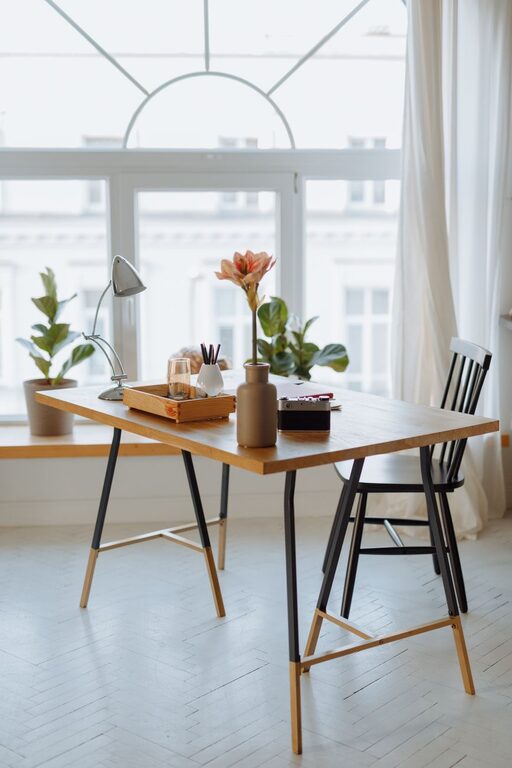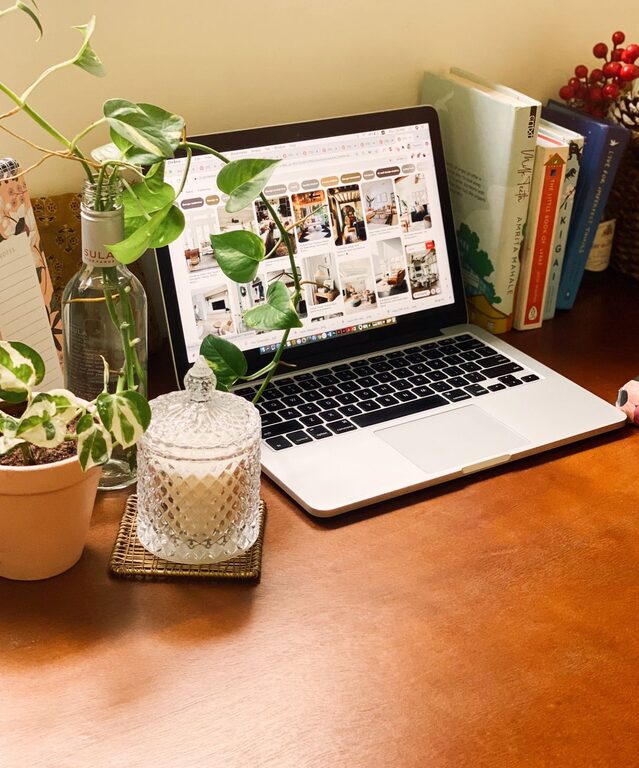
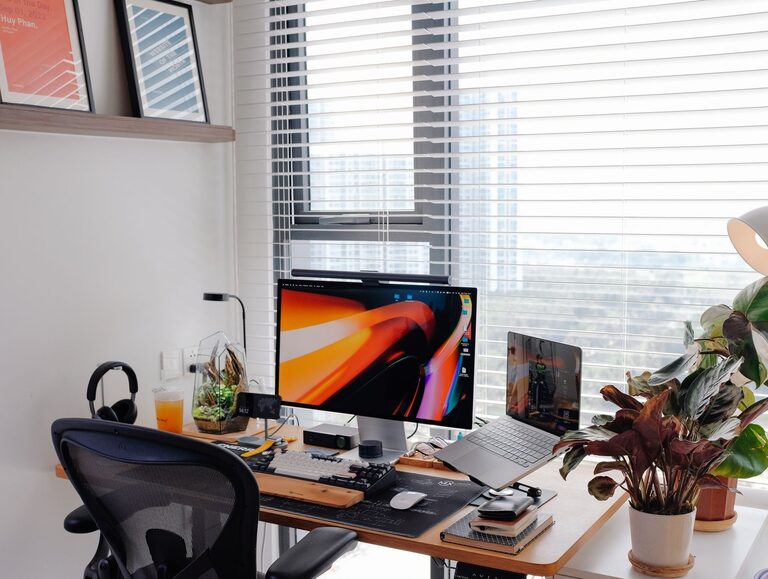
Creating a home office that supports both comfort and productivity is essential for anyone working remotely or managing tasks from home. A well-organized and inviting workspace can help you focus, reduce stress, and maintain a healthy work-life balance. This guide offers practical tips to set up a home office environment that helps you do your best work every day.
Choose the Right Location
Selecting the perfect spot in your home is the first step. Ideally, your home office should:
– Be quiet and free from distractions
– Have good natural light
– Provide enough space for your needs
– Allow easy separation from living areas to maintain work-life boundaries
If you don’t have a dedicated room, look for an underused corner or nook that can be transformed into a functional workspace.
Invest in Ergonomic Furniture
Comfort is key to staying focused throughout the day. Ergonomic furniture supports good posture and prevents strain. Consider:
– An adjustable chair with lumbar support
– A desk at the right height to keep wrists and arms comfortable
– A monitor placed at eye level to reduce neck strain
– Footrests or standing desk options for movement variety
Proper ergonomics help avoid discomfort and fatigue, increasing overall productivity.
Optimize Lighting
Good lighting reduces eye strain and helps maintain energy levels. Here’s how to get it right:
– Use natural light as much as possible; position your desk near a window
– Add adjustable task lighting to illuminate your work area without harsh shadows
– Choose bulbs with soft, warm light for a cozy atmosphere, or cooler light to stay alert
– Avoid glare on your screen by adjusting window coverings or desk placement
Balancing natural and artificial light creates a pleasant environment that supports concentration.
Keep Your Workspace Organized
A cluttered desk can distract and stress you out. Stay organized with these tips:
– Use trays, shelves, or drawer organizers to store office supplies neatly
– Keep only essential items on your desk
– Regularly declutter to maintain a clean space
– Use cable management solutions to avoid tangled cords
– Digitize documents when possible to reduce paper clutter
An orderly workspace helps clear your mind and improve focus.
Personalize Your Office
Adding personal touches can make your home office more inviting and motivating. Consider:
– Adding plants to bring in natural elements and improve air quality
– Hanging artwork or photos that inspire you
– Using colors that enhance your mood or energy, such as calming blues or energizing yellows
– Including comfortable textiles like a soft rug or cushions
Personalization creates a space where you enjoy spending time and feel inspired to work.
Minimize Noise and Distractions
Noise can interrupt your thought process and decrease productivity. To reduce noise:
– Use noise-canceling headphones or soft background music
– Add rugs, curtains, and cushions to absorb sound
– Close doors or use room dividers to separate your office area
– Communicate your work hours with household members to set boundaries
Managing noise helps maintain concentration and a peaceful work environment.
Establish a Daily Routine
Creating and sticking to a schedule makes your workday more predictable and productive. Try to:
– Set regular working hours and stick to them
– Take regular breaks to stretch and rest your eyes
– Start your day with planning or prioritizing tasks
– End your day by tidying your workspace and outlining the next day’s goals
A routine helps separate work time from personal time, reducing burnout.
Ensure Proper Tech Setup
Efficient technology is crucial for a smooth home office experience. To optimize your setup:
– Choose a reliable computer and internet connection
– Use external monitors, keyboards, or mice to improve ergonomics
– Keep software and hardware updated
– Set up backup options for important files
– Use productivity tools and apps that suit your workflow
Having dependable tech reduces frustration and downtime.
Incorporate Movement and Comfort Breaks
Sitting for long periods can affect health and focus. Incorporate movement by:
– Taking short stretch breaks every hour
– Using a sit-stand desk or alternating between sitting and standing
– Doing quick exercises or walking around during breaks
– Practicing deep breathing or relaxation techniques to reduce stress
Regular movement helps maintain energy and mental clarity.
Prioritize Air Quality and Temperature
Comfort also depends on fresh air and a comfortable temperature. To improve these factors:
– Open windows regularly to ventilate your space
– Add air-purifying plants
– Use fans, heaters, or humidifiers as needed to maintain a pleasant climate
– Avoid strong odors or pollutants that could distract or irritate you
A fresh and comfortable atmosphere keeps you alert and productive.
—
By thoughtfully designing your home office with these tips, you can create a space where you feel comfortable, focused, and motivated. Remember, a home office should support both your physical needs and your work habits, helping you make the most of your time at home.
About the Author